In Irving, the municipal water is classified as very hard containing high levels of calcium and magnesium that settle at the bottom of your tank as sediment. When the burner heats the water steam bubbles become trapped under this layer of scale and 'pop' as they escape which indicates your unit needs a professional flush. Ignoring these sounds can lead to a cracked tank floor or early heating element failure due to the excessive thermal stress caused by the mineral barrier.
For electric units common in Irving apartments and newer builds, a tripped circuit breaker or a burnt-out upper heating element is often the culprit. In gas-powered homes a pilot light that has been extinguished by a draft or a faulty thermocouple is a frequent issue that requires professional repair. Additionally, the heavy sediment from local hard water can sometimes coat the thermostat sensors causing them to misread temperatures and fail to trigger the heating cycle.
In Irving, the typical cost for a water heater replacement range from $1,200 to $3,500, depending on whether you choose a traditional tank or a high-efficiency tankless model. Factors such as attic accessibility and required code upgrades like expansion tanks can also influence the final price for North Texas homeowners.
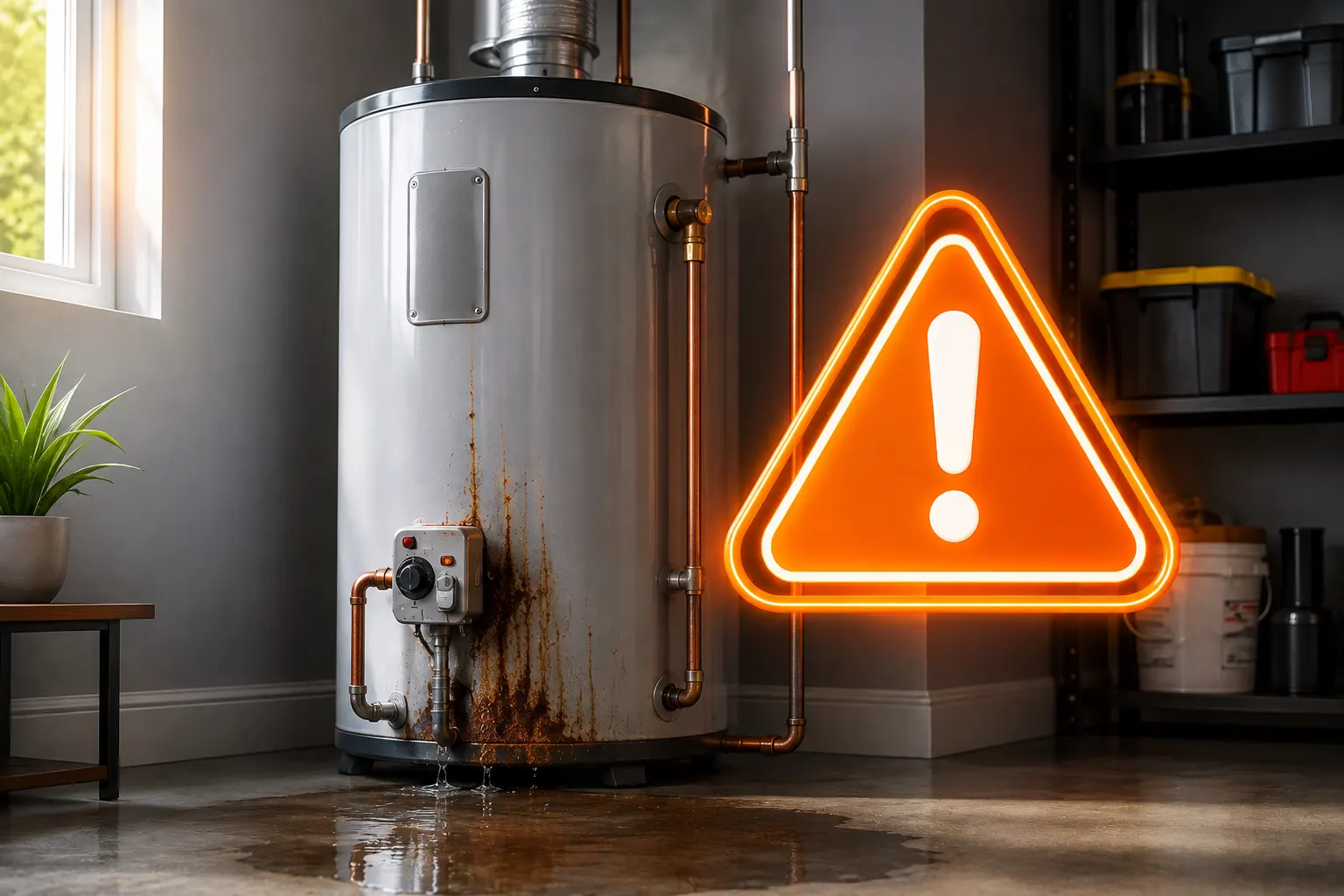
Common warning signs include rusty or discolored water, strange banging or rumbling noises coming from the tank and visible moisture or puddles around the base. If you notice your hot water supply is inconsistent or your energy bills are unexpectedly rising, the unit is likely struggling due to age or sediment buildup. Addressing these signs early can prevent a sudden tank burst which is especially critical for units located in attics.
With proper maintenance and regular descaling a high-quality tankless water heater can last 20 years or more in the Irving climate. This is nearly double the lifespan of a traditional tank heater which often fails after 10 to 12 years due to internal corrosion. The longevity of tankless systems makes them one of the most sustainable and cost-effective home improvements available for North Texas homeowners.
For most Irving homes, gas tankless water heaters are preferred because they have a higher flow rate and are more cost-effective to operate given local natural gas prices. Electric tankless units often require significant upgrades to your home's electrical panel sometimes needing 120 to 150 amps of dedicated service. Unless your home lacks a gas connection a gas-powered unit generally provides a better experience for multi-bathroom households in North Texas.
Replacing a thermocouple is a common and relatively inexpensive repair that is highly worthwhile if the rest of the unit is in good condition. This small sensor is a safety device that shuts off the gas if the pilot light goes out and they frequently wear out after several years of use. If your heater is under 8 years old, replacing the thermocouple is a cost-effective way to restore functionality without the expense of a new unit.
Irving follows strict safety codes requiring gas water heaters to be vented externally to prevent carbon monoxide buildup inside the home. The vent pipe must have proper clearance from combustible materials like drywall and must be sloped upward to ensure natural drafting of exhaust gases. If your heater is located in a closet it may also require specific high and low combustion air vents to ensure the burner has enough oxygen to operate safely.
First, check your home’s electrical panel to see if the circuit breaker has tripped which is a common safety response to a shorted heating element. If the breaker is fine try pressing the red high-limit reset button located behind the upper access panel on the unit. If the button continues to trip it indicates a faulty thermostat or a grounded element that requires professional diagnostic testing.
If you have hot water that runs out much faster than usual your lower heating element has likely failed. In a dual-element system the top element heats the upper part of the tank first but the lower element is responsible for maintaining the bulk of the hot water supply. Because the lower element is closer to Irving's hard water sediment it is almost always the first component to fail.
The primary differences lie in storage capacity, heating speed recovery rate and internal construction materials. Commercial units feature industrial-grade metallurgy designed for constant thermal cycling and can heat water significantly faster than residential models. While a residential heater typically caps at 75,000 BTUs, commercial systems can reach over 1,000,000 BTUs to handle simultaneous high-volume demands across large properties.
Commercial tankless units are often the best choice for Irving homes with high peak-demand periods because they provide an endless supply of hot water without the standby energy loss of a tank. These units are specifically designed with more robust heat exchangers that can withstand the heavy usage of large families or homes with high-GPM rain showerheads. However because of Irving's hard water these units must be flushed annually to prevent scale from clogging the internal sensors and burners.
Yes, a leaking water heater should be addressed immediately to prevent extensive property damage and mold growth which thrives in the North Texas humidity. Because many Irving homes feature attic-installed units even a small drip can lead to a ceiling collapse if the secondary drain pan fails. It is best to shut off the water supply and contact a plumber as soon as a leak is detected.
If you have a gas unit your first step should be to turn the gas control knob to the 'OFF' position and shut off the dedicated water valve. If you smell a 'rotten egg' odor evacuate the area immediately and call your gas provider or an emergency plumber. Leaks in gas units can sometimes interfere with the pilot light or burner assembly creating a potential fire or carbon monoxide hazard.
Serving Irving TX
With Reliable Water Heater Service
Irving Water Heater Repair provides water heater repair,
installation and maintenance for homes and businesses
throughout Irving, Texas, including Las Colinas, Valley Ranch,
Hackberry Creek and surrounding Irving neighborhoods.